A proven concept
Lodging, club operations, and membership are performing ahead of plan, with a track record that de-risks the next phase of investment.

McLemore and the Cloudland Investments Fund
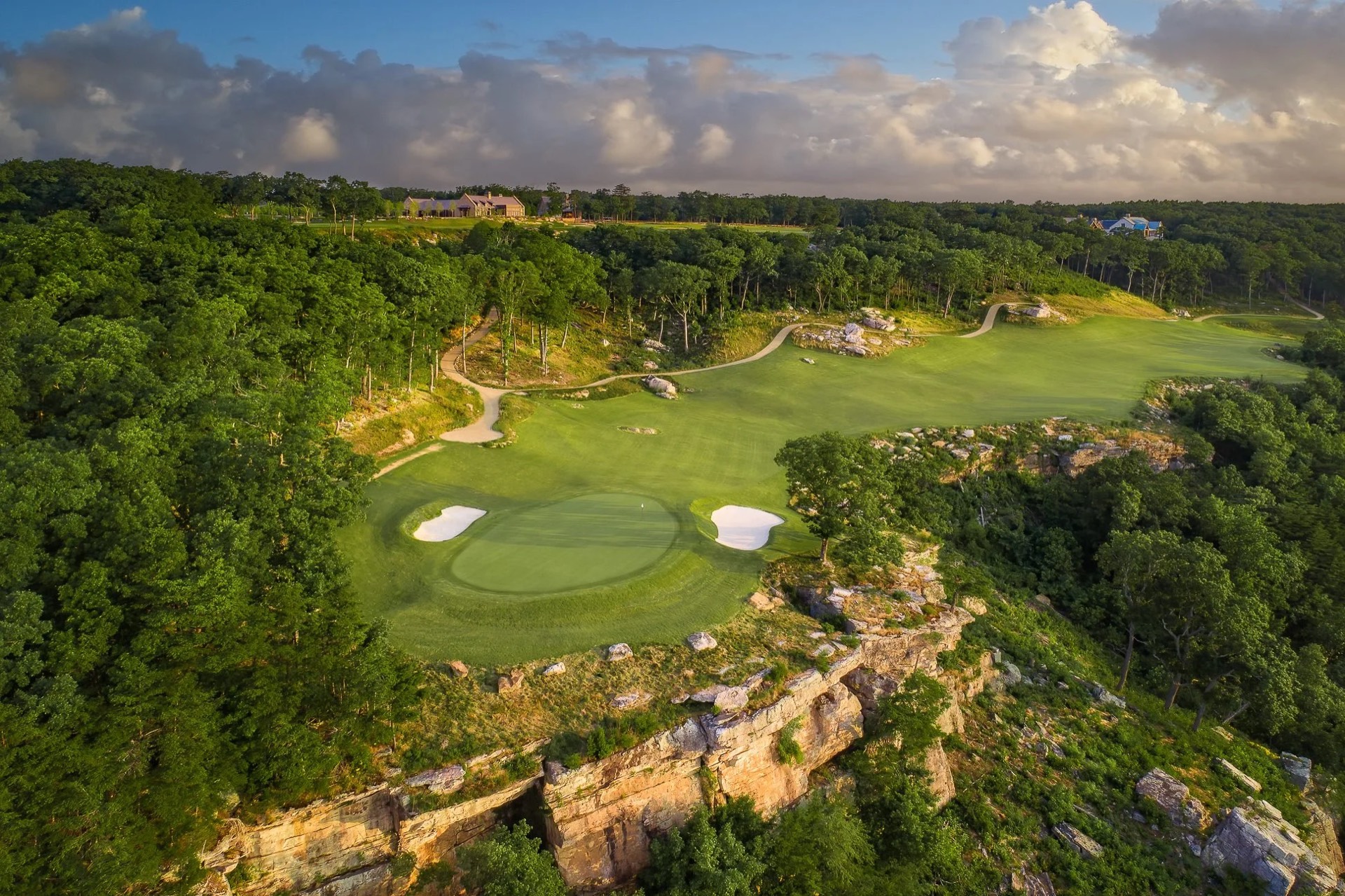
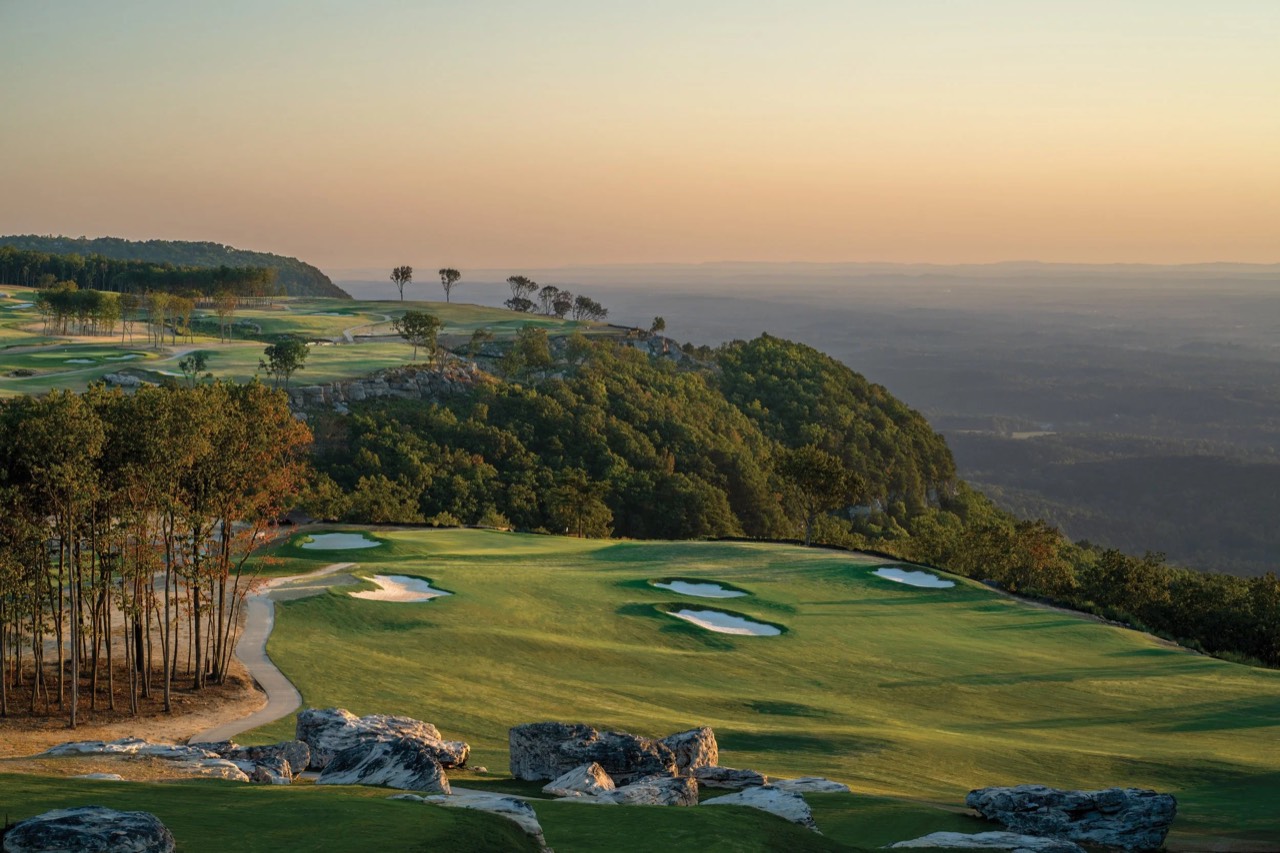
The Cloudland Investments Fund supports the recapitalization and continued advancement of McLemore, an established mountaintop destination atop Lookout Mountain in Northwest Georgia. This is a strategic partnership and the evolution of a proven destination.
The next chapter
The Fund is designed to consolidate the existing capital structure, complete key amenities already underway, and fund the next phase of growth across lodging, club operations, and real estate.
McLemore enters this phase as an operating destination with momentum, national recognition, and a conservative capital position. The investment thesis is built around execution already visible on the mountain, paired with defined, near-term value-creation opportunities.
Why McLemore
The Fund pairs an established operating base with a long-horizon development pipeline and a capital plan built around low leverage.
Lodging, club operations, and membership are performing ahead of plan, with a track record that de-risks the next phase of investment.
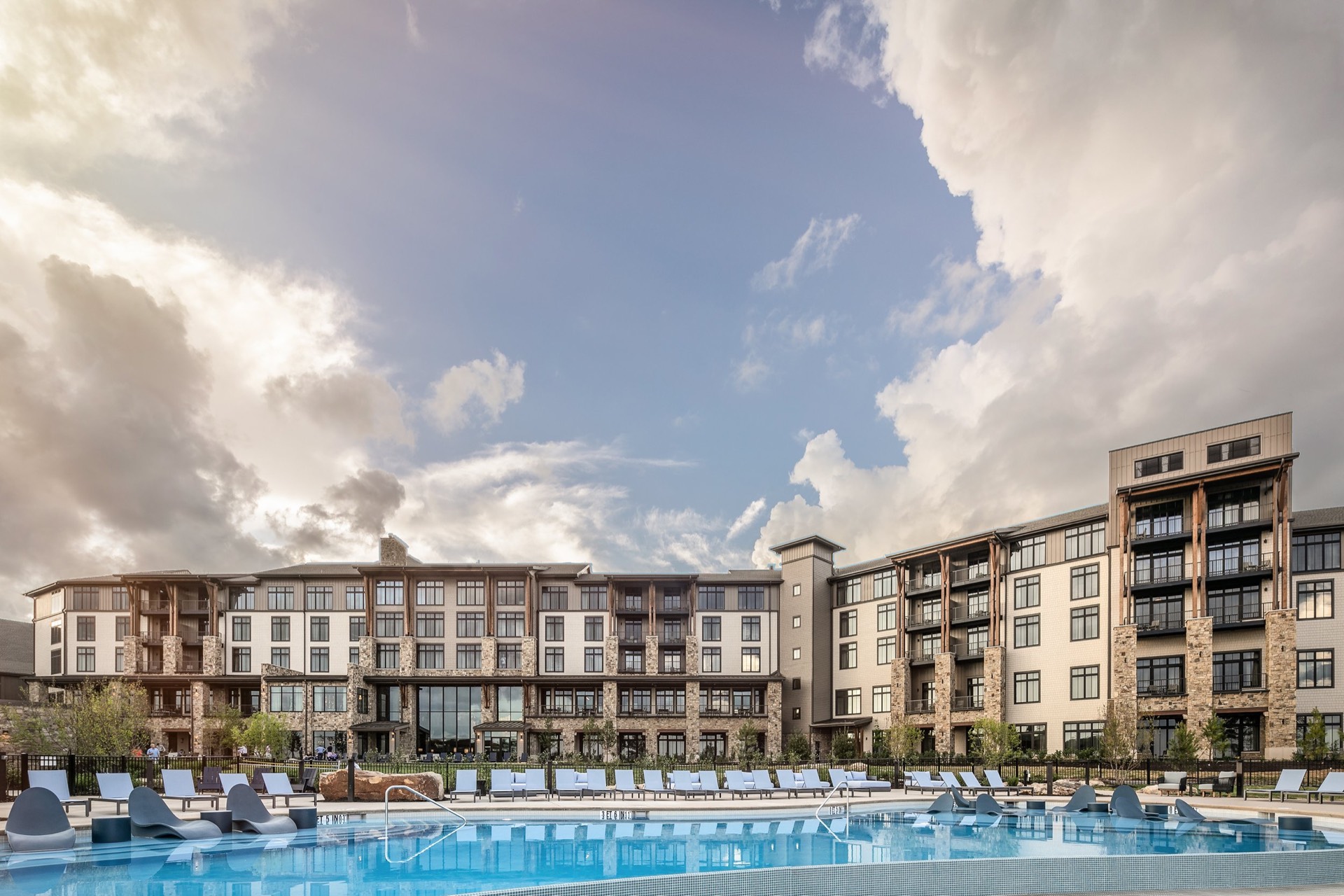
The Keep was named Sports Illustrated's Best New Course of 2025, and Cloudland is part of the Hilton Curio Collection.
The recapitalization is structured around low leverage and a clean, consolidated stack.
The Fund pairs an established operating base with defined opportunities already in progress across the destination.
A long-horizon development pipeline offers room to expand the destination and create lasting value.
Ways to participate
Capital can enter through a direct McLemore investment, the Cloudland Investments Fund, or the Artisan Land Company land fund.
A direct investment in McLemore with a $60 million target plus additional growth and opportunity. A draft preliminary term sheet is available on request.
An LP real estate fund with an initial target of $60 million, $40 million already in soft commitments, and a final fund target of $120 to $150 million. The Sponsor is also open to working with investors to create a DST structure.
A separate all-equity land fund, not debt, that focuses on identifying, securing control of, and entitling land.
Fund structure
The Fund brings together a small number of lead and co-lead participants, roll-over participation from existing direct investors, and new investor capital.
Cloudland Investments serves as Fund Sponsor for the restructure, recapitalization and expansion of Scenic Land Georgia Holdings (SLGH) and its operating subsidiaries, including the McLemore club, the Cloudland hotel ground lease, and related holdings.
Approximately $45 to $55 million of existing debt and lease obligations across the operating entities is restructured and consolidated, clearing near-term maturities and establishing a single, streamlined structure at closing.
The Fund carries an initial target of $60 million, with $40 million in soft commitments, and a final fund target of $120 to $150 million. New equity funds working capital, reserves, amenity completion, near-term development, and land as agreed, deployed in tranches against defined milestones.
Select assets, including the hotel ground lease and an associated bond position, carry contingent participation mechanics that share future appreciation rather than pricing that upside into day one. The ground lease alone is projected to grow from a current value in the range of $35 to $45 million to roughly $60 to $80 million within three to five years, driven by the hotel's improving performance.
Existing direct investors may elect a cash buyout of their interest or a roll-over of their equity into the recapitalized entity. The Fund is structured to accommodate both.
Board composition is determined by sponsor role and proportional equity contribution.
Capital follows milestones.
Cloudland Resort · Curio Collection by Hilton
Capital deployment
A further allocation in the range of $10 to $15 million is reserved for future projects, funded from the balance of the raise together with a matching commitment from the Sponsor.
Capital stack in detail
The whiteboard view answers how the closing stack is organized. It is intentionally more mechanical than the narrative above.
Existing interests, rolled participation, and new fund capital shown together. This is not the new-equity raise amount.
New capital entering the transaction, separate from existing value already inside the platform. $40 million is in soft commitments, with a final fund target of $120 to $150 million.
The detailed layer separates existing and rolled interests from the new-fund position. Final allocations follow elections and definitive documents.
Initial deployment funds operations, reserves, amenity completion, near-term development, and agreed land uses.
Reserved for future projects, with the Sponsor intending to match, so later concepts are not forced into day-one pricing.
A timing and coverage note bridges any shortfall between closing uses and permanent or elected capital sources.
Future appreciation in selected assets is handled through contingent participation rather than being fully priced into day one.
Adjacent sponsor, matched, or co-invest capital can sit beside the Fund for later opportunities without changing the core raise.
$48 million refers to the hotel ground lease plus associated bond position at transaction value. The ground lease alone is described as a current $35 to $45 million value with a projected path toward $60 to $80 million over three to five years.
Why the structure holds
The story layer explains why McLemore is ready for its next chapter; the mechanics layer explains how the recapitalization is assembled.
Fund targets, total equity value, and ground-lease value are kept as separate measures so the economics read cleanly.
Initial deployment is tied to operating needs, reserves, amenity completion, and near-term development already in view.
Future upside remains inside the structure through reserves, contingent participation, and adjacent capital instead of being over-priced at close.
Existing investors have optionality while new investors enter a governed, consolidated vehicle.
Next step
The restructure, recapitalization and expansion gives participants exposure to an operating destination with national recognition, low leverage, and a defined path to expansion.